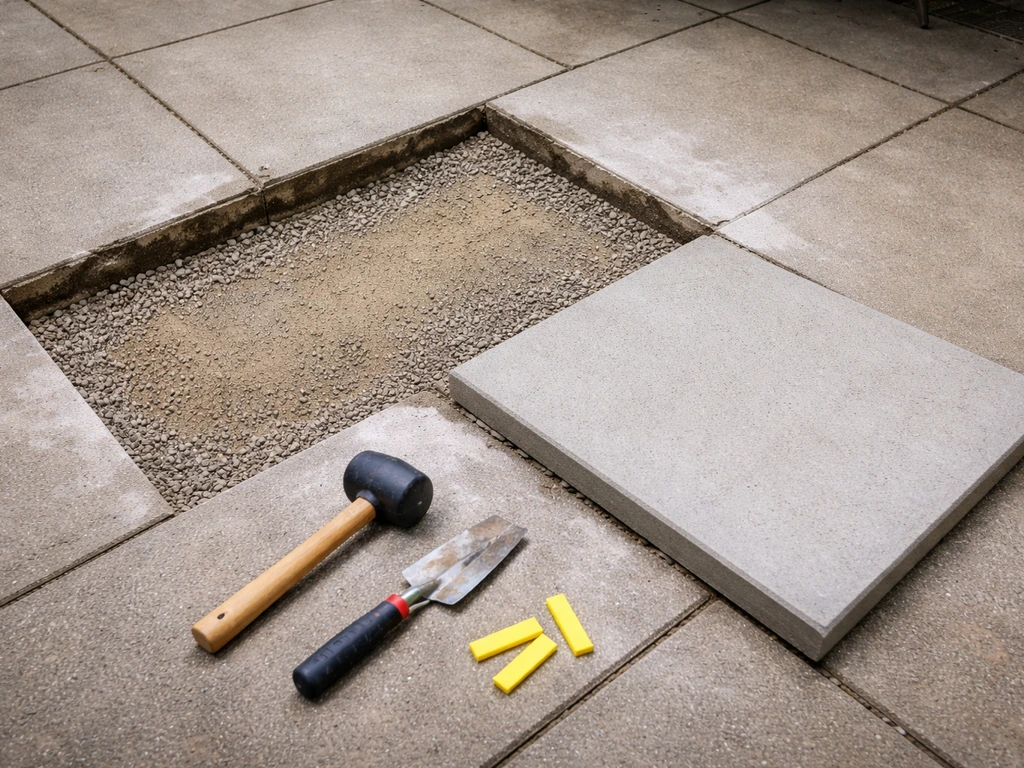
For a standard poured concrete patio slab, you can usually walk on it lightly after 24 to 48 hours. Precast concrete slabs laid on a sand or mortar bed can often take foot traffic within 24 hours, sometimes sooner. But walking on it is just one milestone. If you are dealing with old patio slabs, the same caution applies to what you do next, like removing, leveling, or re-laying them properly.
How Long Before You Can Walk on New Patio Slabs

Talia Lang
3 Jun 2026
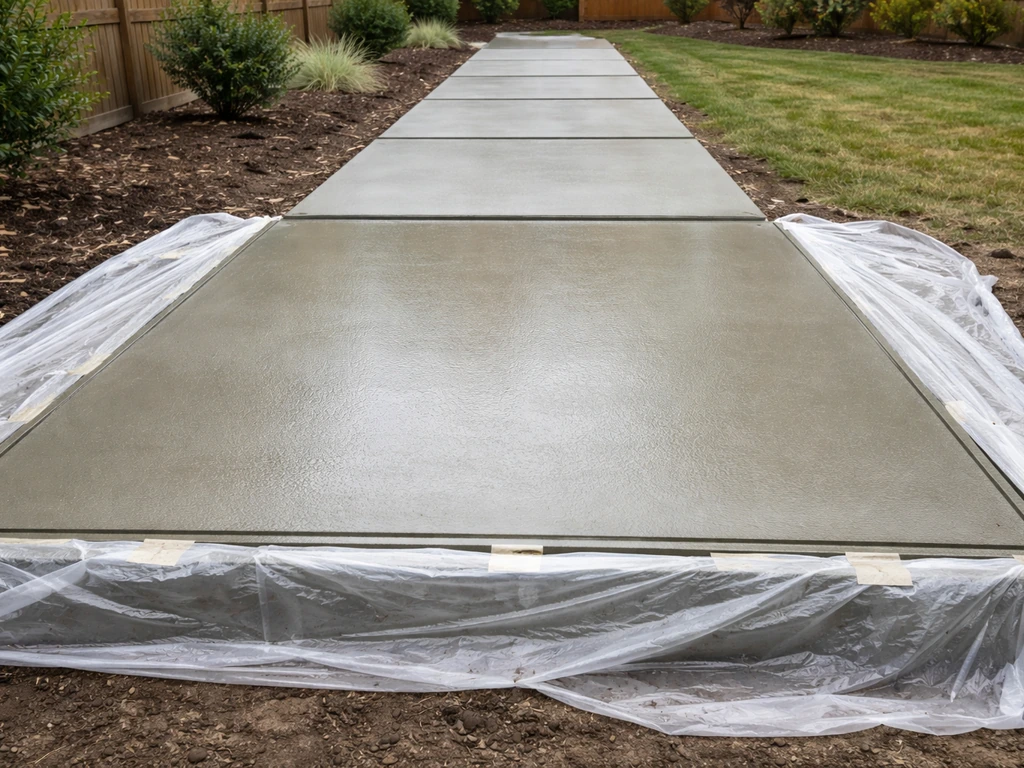
Placing heavy outdoor furniture or a loaded wheelbarrow is a different question, and full strength cure takes 28 days no matter what the surface feels like. If you're standing at the edge of a freshly poured slab wondering whether you'll ruin it by stepping on it today, here's exactly what you need to know.
Timeframes by slab type: walking, loading, and full cure
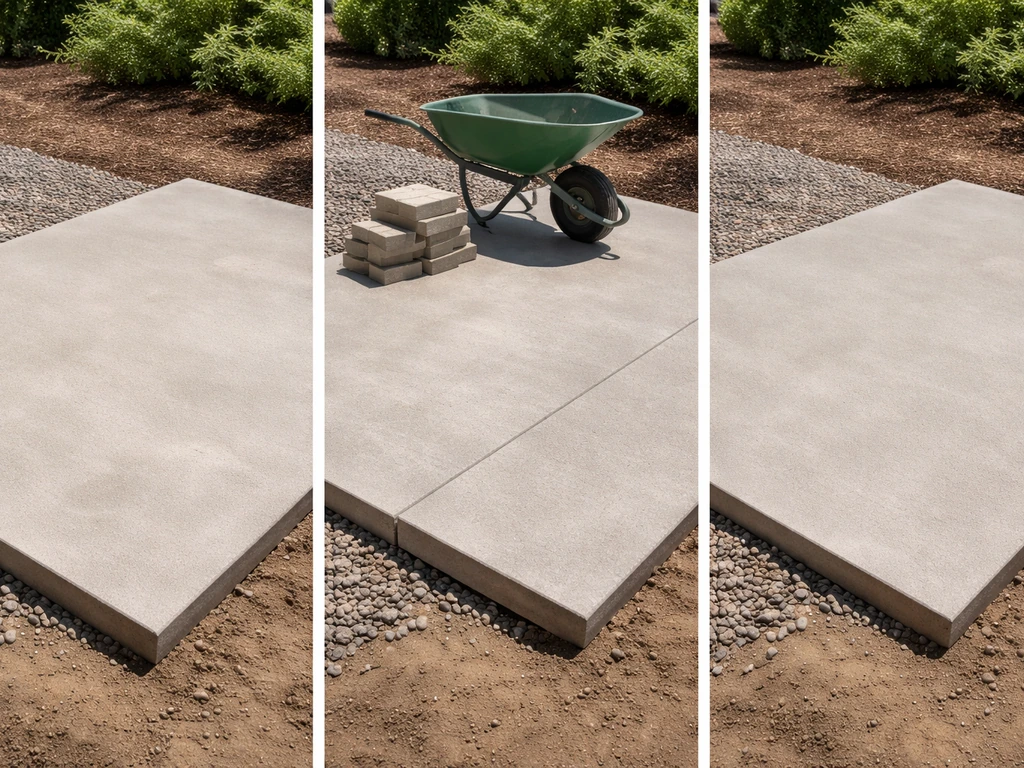
The timeline depends heavily on which type of slab you have. These three stages matter for every patio: safe for light foot traffic, safe for loads (furniture, barbecues, wheelbarrows), and fully cured. Here's how they break down by the most common residential patio slab situations.
| Slab Type | Light Foot Traffic | Furniture / Light Loads | Full Cure |
|---|---|---|---|
| Poured concrete (standard mix) | 24–48 hours | 5–7 days | 28 days |
| Poured concrete (rapid-set or accelerated mix) | 4–6 hours | 24–48 hours | 7–14 days |
| Precast / pressed concrete slabs on sand | 24 hours (once bedding settles) | 48–72 hours | N/A (factory cured) |
| Precast slabs on mortar bed | 24–48 hours (mortar set) | 5–7 days (mortar cure) | 28 days (mortar) |
| Mortar-jointed or pointed slabs | 24 hours (walking around joints) | 72 hours minimum | 28 days (joints) |
A few things to understand about these numbers. The "light foot traffic" window is not when the slab is strong, it's when it won't take visible damage from a careful adult walking across it. The slab is still building strength underneath. "Full cure" at 28 days is the industry benchmark where concrete typically reaches its rated compressive strength, and that's the baseline used by engineers and codes alike. Early-strength mixes exist that can hit opening-to-traffic strength in as little as 4 to 6 hours, but those are specialized mixes, not a bag of standard ready-mix from the hardware store.
What actually controls how fast your slab cures
Curing speed is not just about time. It's about how quickly the concrete gains strength, and several factors either speed that up or slow it down significantly.
Temperature
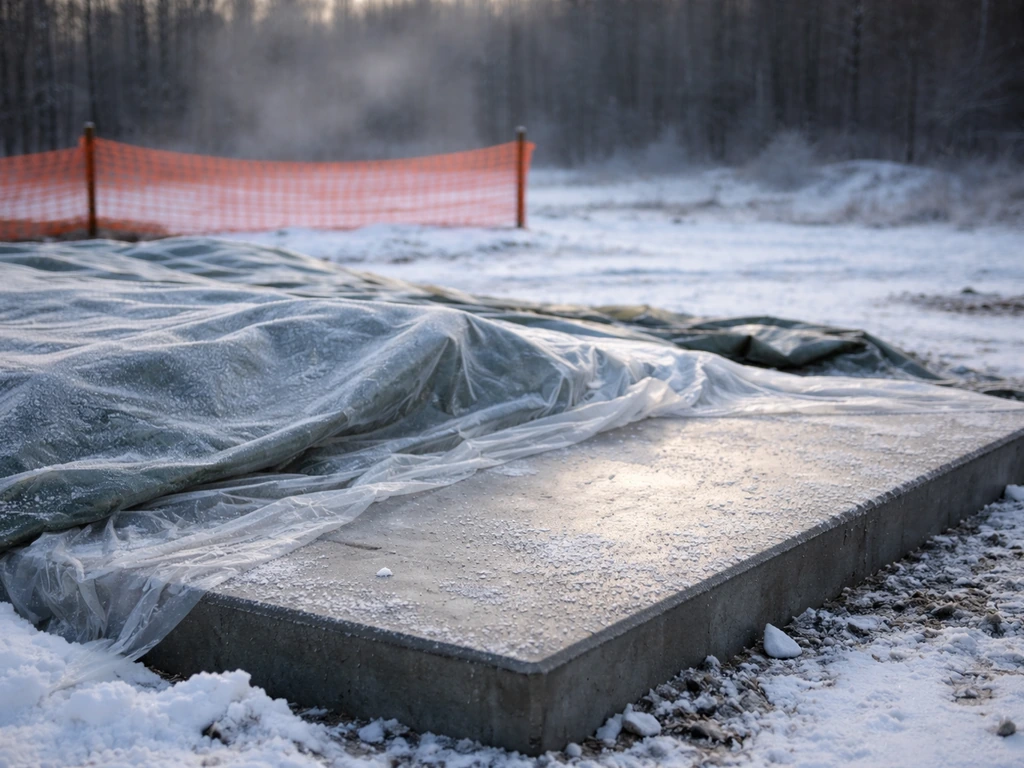
Cold concrete cures slowly. Below 50°F (10°C), hydration (the chemical process that hardens concrete) slows dramatically. Below freezing, it stops almost entirely and the slab can be permanently damaged. Hot weather above 90°F (32°C) can speed up surface set but causes problems of its own, including cracking and uneven strength gain, if the slab dries too fast before it gains strength. Ideal curing temperature is roughly 50°F to 85°F.
Humidity and wind
Concrete doesn't harden by drying out. It hardens through a chemical reaction that needs moisture. Low humidity and high wind both pull water out of the surface faster than the interior can keep up, which causes the surface to dry and potentially crack or dust before the concrete has properly cured. This is why covering freshly poured slabs with plastic sheeting or damp burlap matters, especially on breezy or low-humidity days.
Slab thickness
A thicker slab holds more mass and retains heat from the hydration reaction longer, which actually helps it cure more evenly. A very thin slab or topping coat is more vulnerable to rapid moisture loss and temperature swings. Standard residential patio slabs are typically 4 inches thick. If yours is thinner, be more conservative with your wait times.
Mix design and water-to-cement ratio
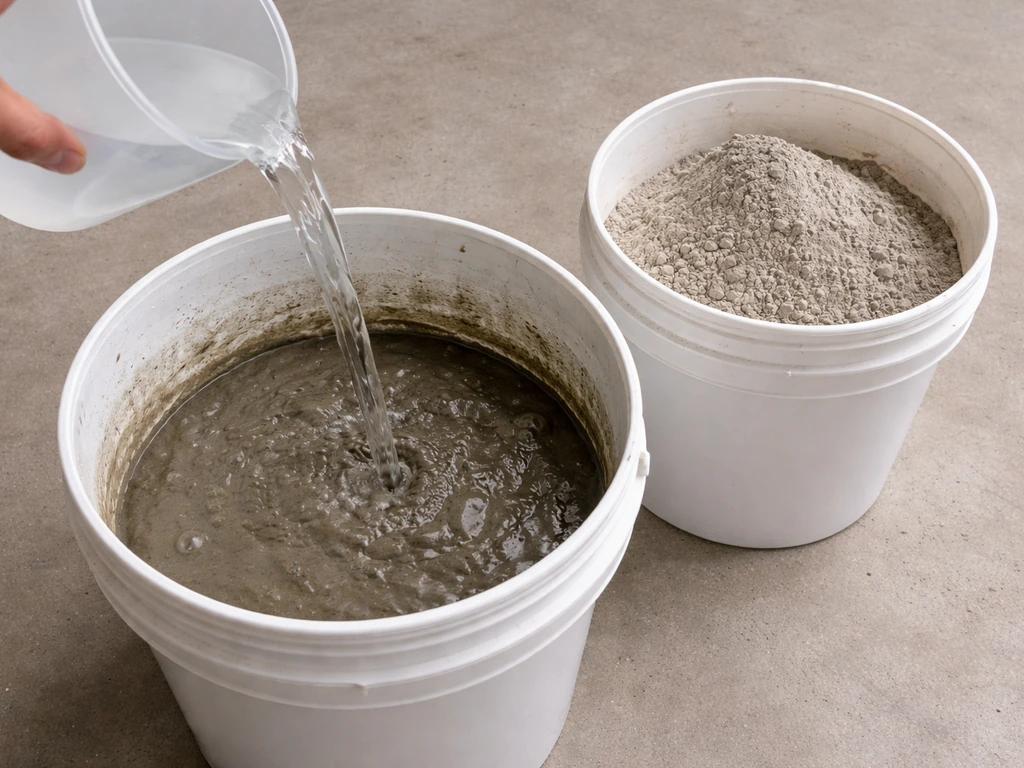
Too much water in the mix weakens the final slab and slows strength gain. This is a really common DIY mistake: adding extra water to make the concrete easier to pour and work with. It feels easier in the moment but you end up with a slab that takes longer to cure and is weaker when it does. A proper mix uses only as much water as the cement needs to hydrate.
Accelerators and admixtures
Chemical accelerators like calcium chloride can significantly speed up strength gain and cut your wait time down. Rapid-set cement blends are a step further, sometimes opening to foot traffic in 4 to 6 hours. If your contractor used an accelerated mix or admixture, ask them specifically what product and what their recommended wait time is. Don't assume standard timelines apply.
Reinforcement
Rebar or wire mesh reinforcement doesn't change how fast concrete cures, but it does affect what happens if you walk on it too early or load it unevenly. A reinforced slab is more forgiving of minor stress during early curing. An unreinforced slab can crack more easily if loaded before it has enough strength. If you're unsure whether your slab is reinforced, be more conservative.
Curing methods used
If your slab was covered with plastic sheeting, wet burlap, or a curing compound was sprayed on it, it's curing more efficiently than one left to air-dry in the sun. Curing compounds form a membrane that retains moisture inside the slab so the hydration reaction can continue. Water-retention curing methods like these are the standard approach for large paved areas and can actually produce a stronger finished surface than leaving the slab exposed. If nothing was done to retain moisture and conditions were hot or windy, your slab may have cured unevenly and could be weaker than expected.
How to check if it's actually safe to walk on right now
You don't need a lab to figure out if your slab is ready for foot traffic. Here are practical tests you can do yourself.
- Scratch test: Press your thumbnail firmly into the surface. If it leaves a mark or the surface feels soft or powdery, it's not ready. If it's hard enough that you can't indent it with your nail, that's a good sign for light foot traffic.
- Visual surface check: The slab should have a consistent, uniform grey colour. Darker patches or a shiny wet look means moisture is still near the surface and it's too early. Whitish or chalky patches can indicate the surface dried too fast (a problem, not readiness).
- Plastic sheet test: Tape a small piece of plastic sheeting to the slab surface for an hour. If you lift it and see condensation or moisture underneath, the slab is still releasing significant moisture and is not ready for foot traffic.
- Edge check: Look at the edges of the slab. If they're still visibly damp or crumbling easily when touched, the overall slab isn't ready regardless of how the top surface looks.
- Time check: If it's been less than 24 hours since the pour under normal conditions (above 50°F, no rain, not extreme heat), just wait. No test will tell you it's ready that quickly on a standard mix.
If you need to walk on the slab before you're certain it's ready, lay down temporary plywood sheets to spread your weight over a larger area. This reduces point loading on the surface and minimises the risk of footprints or damage. Don't use this as a permanent workaround though. It's a short-term solution when you genuinely can't wait.
What to avoid during the curing window
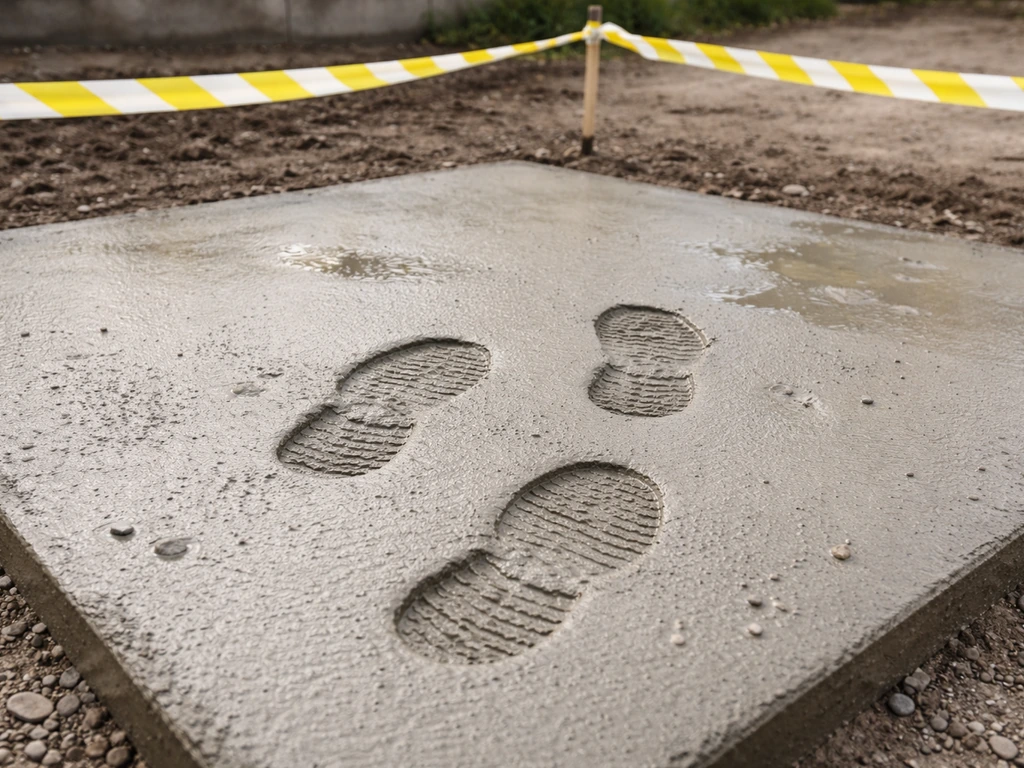
Getting the slab to cure properly is almost as much about what you don't do as what you do. Here are the things that cause the most damage during this window.
- Footprints: Walking on concrete before the surface has hardened leaves permanent impressions. Even if it looks dry on top, the surface layer is still soft underneath during the first several hours.
- Wheelbarrows and heavy equipment: Even after the 24-hour light-traffic mark, a loaded wheelbarrow can crack or depress a partially cured slab. Wait at least 5 to 7 days before rolling anything heavy across it.
- Dragging objects: Dragging furniture legs, shovels, or other objects across a curing slab can score and gouge the surface even when it seems hard. Lift, don't drag.
- Water pooling: Standing water on a fresh slab can dilute the surface, weakening it and causing dusting or scaling later. Clear it off gently with a soft broom, don't blast it with a hose.
- Early joint sealing: If your slab has control joints or expansion joints, don't seal them during the active curing period. The concrete is still moving slightly as it cures, and sealing joints too early traps that movement and can cause cracking or sealant failure. Wait until after the 28-day full cure where possible, or at minimum until the contractor confirms the joints are stable.
- Applying surface sealers too early: See the next section for details on this, but sealing too early is one of the most common mistakes homeowners make.
When to seal or stain, and how it affects your timeline
Sealing a patio slab is a great idea for long-term protection, but timing it wrong causes real problems. The main risk of sealing too early is trapping moisture inside the slab before hydration is complete. This can cause the sealer to bubble, peel, or turn white, and in some cases it weakens the concrete surface below.
For most penetrating sealers and film-forming acrylic sealers, the general recommendation is to wait at least 28 days after the pour before applying. This is the full-cure benchmark. Some manufacturers specify a minimum of 30 days. Check the product datasheet, not just the marketing copy on the label.
Reactive stains (acid stains, for example) chemically bond with the concrete surface and also need the slab to be fully cured before application. Applying them too early means inconsistent colour uptake because the concrete chemistry at the surface is still changing.
One practical note: if a curing compound was applied to your slab right after pouring (the spray-on membrane type), you need to check whether that compound is compatible with your intended sealer. Some curing compounds need to be fully weathered or ground off before a sealer will bond properly. Skipping this step is a common reason sealers peel on relatively new slabs. If you're planning to seal, ask about what curing method was used before you buy a sealer.
On the walking-readiness side, sealing an already-cured slab doesn't significantly affect when you can use the patio again. Most sealers are dry enough for foot traffic within a few hours of application, with full cure of the sealer itself typically within 24 to 72 hours depending on the product. Check the specific product instructions.
Warning signs that mean stop and assess before walking on it
Most slabs cure without drama. But sometimes something goes wrong during or after the pour, and walking on the slab before you understand what's happening can make it worse or permanently damage it. These are the signs to watch for.
Soft or chalky surface
If the slab surface still feels soft, dusty, or powdery after 48 hours, something went wrong. Common causes include too much water in the mix, rain on freshly poured concrete that wasn't protected, or troweling the surface before bleed water had evaporated. A dusty or chalky surface that wears under light scuffing is called "dusting" and indicates the top layer is weak. Don't keep walking on it hoping it firms up. It won't. This is a structural surface defect, and depending on severity, it may need to be addressed before the slab is used.
Surface scaling or flaking
If the surface is coming off in thin flakes or layers, that's scaling. It happens when the top layer cured differently from the rest of the slab, often due to early surface drying, freeze-thaw damage on fresh concrete, or using too much water when finishing. Scaling typically shows up within the first few weeks. If it's happening on a fresh slab, don't add loads to it yet and get it assessed.
Cracks appearing during curing
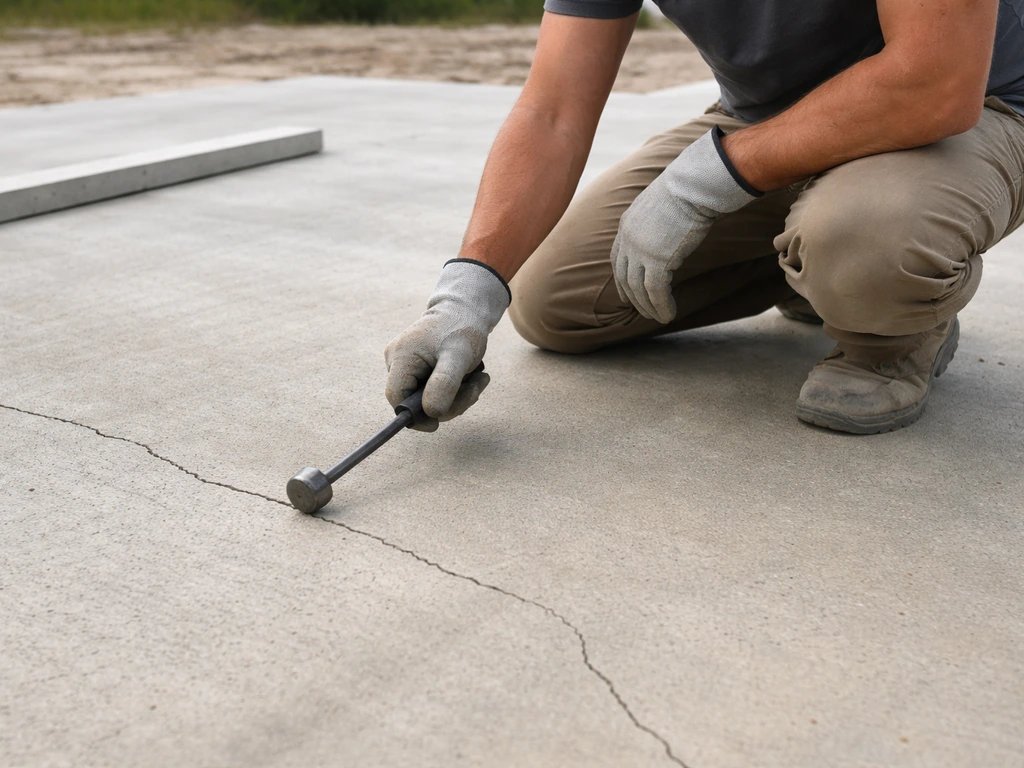
Hairline surface cracks (sometimes called plastic shrinkage cracks) can appear within the first few hours to days and are often cosmetic if they're fine and shallow. But wider cracks (anything you can fit a credit card into), cracks that run through the full thickness, or cracks that continue to grow after the first few days are a different matter entirely. These can indicate base failure, improper joint spacing, a mix problem, or settlement underneath. Don't load the slab and don't seal over those cracks hoping they stop. If you're relaying loose slabs or dealing with cracked sections later, the root cause matters more than the surface symptom.
Water pooling or drainage problems
If water is pooling on your new patio slab rather than draining away, that's a grade or slope issue that needs to be corrected, not waited out. Persistent pooling also slows curing in those spots and sets you up for freeze-thaw damage later. Don't assume it'll sort itself out once the slab fully cures. The slope is set in the concrete now.
When to call a professional
Some things are beyond the wait-and-see approach. Get a professional evaluation if you see: structural cracking (wide, through-slab, or growing), significant soft or scaling areas covering more than a small patch, visible settlement (one section lower than another, or the slab rocking), drainage problems that suggest a base failure, or if the contractor's work doesn't match what was specified in any contract. A concrete or masonry professional can assess whether the slab needs repair, replacement, or just time.
If you are thinking about using old bricks to make a patio, plan for a different install process and a solid base before you worry about traffic timing use old bricks to make a patio. If you're planning a patio refresh or repair, you’ll also want to learn how to replace patio slabs safely from start to finish.
If your patio slabs end up damaged or uneven, the right fix will depend on the type and condition of the concrete fix patio slabs. If you’re asking can i drill into patio slabs, the safe timing depends on how cured and how strong the concrete is where you plan to drill. If you're already dealing with a slab that's been relaid or repaired and isn't performing right, the base preparation is usually where the problem started.
Your waiting plan for today
Here's how to think about this practically based on where you are right now.
- 0 to 24 hours after pour: Stay off it completely. Don't walk on it, don't let pets or kids near it, keep tools and equipment off the surface. If it's hot, windy, or low humidity, cover it with plastic sheeting to retain moisture.
- 24 to 48 hours: Do the scratch test and visual check. If the surface is hard and uniform, careful light foot traffic is usually fine. Still no loads, no dragging, no wheelbarrows.
- 48 hours to 7 days: Light foot traffic is safe for a normal mix in normal conditions. Keep heavy loads off it. Don't seal or stain yet. Check for any warning signs (cracks, soft patches, scaling).
- 7 to 28 days: You can use the patio normally for light residential use. Avoid very heavy concentrated loads if you can. This is when most people start placing furniture. Still hold off on sealing.
- 28 days and beyond: Full cure benchmark. Safe for all normal residential loads. Now is the right time to apply sealer or stain if you want it, assuming no curing compound compatibility issues.
If your slab is precast concrete slabs laid on a bed rather than a poured slab, most of the curing concern applies to the mortar bed or jointing mortar underneath and between the slabs rather than the slabs themselves (which were factory cured long before they arrived on your patio). The slab surfaces are ready, but give the mortar bed the same 24 to 48 hours before light traffic and the full 28 days before heavy loading or joint sealing. If you're working on a patio or walkway with old bricks, follow the same cautious staging so the mortar and joints have time to set before you add heavy loads old bricks for patios & walkways. If you are planning work like drilling into patio slabs, follow the slab's cure and load timeline so you don't weaken the surface or cause cracking drill into patio slabs.
The main thing to take away: the surface feeling hard is not the same as the slab being cured. Concrete gains strength over weeks, not days. FHWA notes that opening-to-traffic timing uses categories like 4, 6 hours, 12, 24 hours, and 24, 72 hours, reflecting measured strength requirements rather than “days cured” alone [opening-to-traffic categories such as 4–6 hours, 12–24 hours, and 24–72 hours](https://www. fhwa.
dot. gov/Pavement/concrete/full5. cfm). Curing guidance derived from ACI 308.
1-98 (as synthesized by FHWA) allows termination of curing measures when compressive strength reaches [about 70% of the specified f'c](https://www. fhwa. dot. gov/publications/research/infrastructure/pavements/pccp/05038/002.
cfm), as a strength-based alternative to a fixed curing duration. Walk on it carefully after 24 to 48 hours if the surface tests right, but treat it gently for the full 28-day window and you'll end up with a slab that performs as it should for years. If you’re worried about making permanent changes, read up on fix patio slabs so you know what repairs might be needed if something goes wrong during early curing.
FAQ
Can I step on new patio slabs for a minute, like to grab tools?
If you only need to step out briefly, use a “minimum necessary traffic” rule: wait for the 24 to 48 hour window for light walking, avoid concentrated spots like one foot standing in the same place, and stop if you see any new scuffing, dusting, or cracking. If the slab is still powdery or leaves a visible impression, treat that as a failure and do not try to “walk it in.”
What’s the safest way to do landscaping or move materials across a new patio before it’s fully cured?
If you must work above the slab, keep loads mobile and spread out. Lay temporary boards or plywood to distribute weight, avoid dragging equipment across the surface, and don’t park a heavy wheelbarrow, ladder feet, or pavers in one spot. Point loads during early curing can create surface damage and later cracking even if the slab feels hard.
I want to seal or stain soon, how do I know if my slab is ready and compatible with the product?
Most patio slabs should not be sealed right away. If you are planning to stain or apply a sealer, confirm the curing method used (air curing versus plastic sheeting versus curing compound). A curing compound can interfere with sealer bond unless it is compatible and properly weathered or removed, and bubbling or peeling is a strong sign you sealed too early.
What should I do if the surface feels hard but still looks dusty or powdery after 2 days?
If the slab is dusty or chalky after 48 hours, that indicates surface “dusting,” usually from weak top layers, excessive water, rain, or finishing problems. The fix is not to keep walking, it is to assess and likely mechanically remove the weak surface and address the cause before any coating, because coatings and sealers can fail over weak concrete.
Are small cracks after pouring normal, and when does a crack mean I should stop using the patio?
Hairline cracks that are shallow and stop growing are often not an emergency, but you should not seal over active cracking or load through it. Test whether they widen or allow water to enter, and if a crack is wider than a credit card, runs through the slab, or continues expanding, get an evaluation before using the patio.
How do weather conditions change the wait time to walk on the slabs?
Don’t rely on temperature alone. Ideally, cure in a range around 50°F to 85°F and protect the slab from freezing and from rapid drying in hot, windy conditions. If an early freeze is possible, cover and protect appropriately, because freezing can permanently damage concrete before it has strength.
I’m using precast patio slabs, does the 24 to 48 hour rule still apply?
For precast slabs on a mortar bed, walking readiness can be different. The precast units themselves are factory cured, but the mortar bed and joints need time to set. Plan for light traffic after about 24 to 48 hours on the overall surface, and treat joint sealing and heavy loading as a full 28-day wait for the system.
What if water pools on my new patio slab, does that affect when I can walk on it?
If the patio has areas where water ponds or won’t drain, it can signal slope or base problems. That is not something that improves on its own, and it can also slow curing in wet spots and increase freeze-thaw risk. Correct grading or base drainage issues before you treat it as ready for normal use.
Can I put down a temporary walkway, pavers, or other materials during the first week after pouring?
Yes, but treat it as different from “ready to use.” You can usually do light work that does not concentrate weight once light foot traffic is safe, and for a short period you can use temporary boards. Avoid core activities that require stepping repeatedly in the same tight area until the 28-day strength window has passed.
What if my contractor used a rapid-set or accelerator, how can I adjust the wait time correctly?
If you used an accelerated mix, rapid-set cement, or admixtures, timelines can be shorter, but only the specific product and the contractor’s recommendation should drive the schedule. If you do not know what was used, assume standard timelines and be more conservative, because early traffic on understrength concrete is a common cause of later cracking or scaling.
Next Article
How to Replace Patio Slabs: DIY Step-by-Step Guide
Step-by-step DIY guide to replace broken concrete slabs or patio pavers, prep base, install, cure, and prevent repeats.